Multimedia Story FINAL
Road Trip
At 5 a.m., I left Hồ Chí Minh City to drive to Vĩnh Long province. It takes about three hours. I had never driven such a long distance in Vietnam before, so I felt nervous. On the highway, big trucks share the same road with tiny mopeds. You have to stay very alert because driving here means being reactive all the time. My twin was driving too, and she was very nervous. I was also nervous.
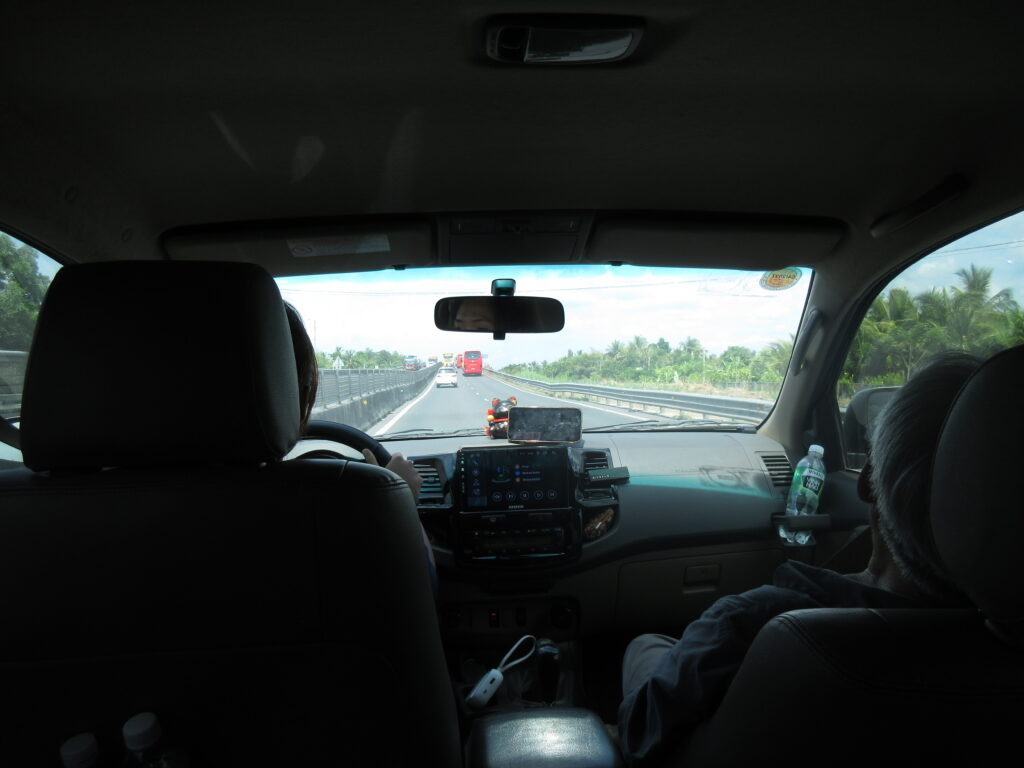
It wasn’t just the driving that made me uneasy. I was going to my grandpa’s home for his death anniversary. I moved away to New Brunswick in Canada when I was ten, and now I am twenty‑one. This was the first time I had been back. I thought the event would be very formal, with rituals I didn’t know how to do or the right words to say. The nervousness of the road mixed with the intimidation of the ceremony ahead.
Yellow Chrysanthemums
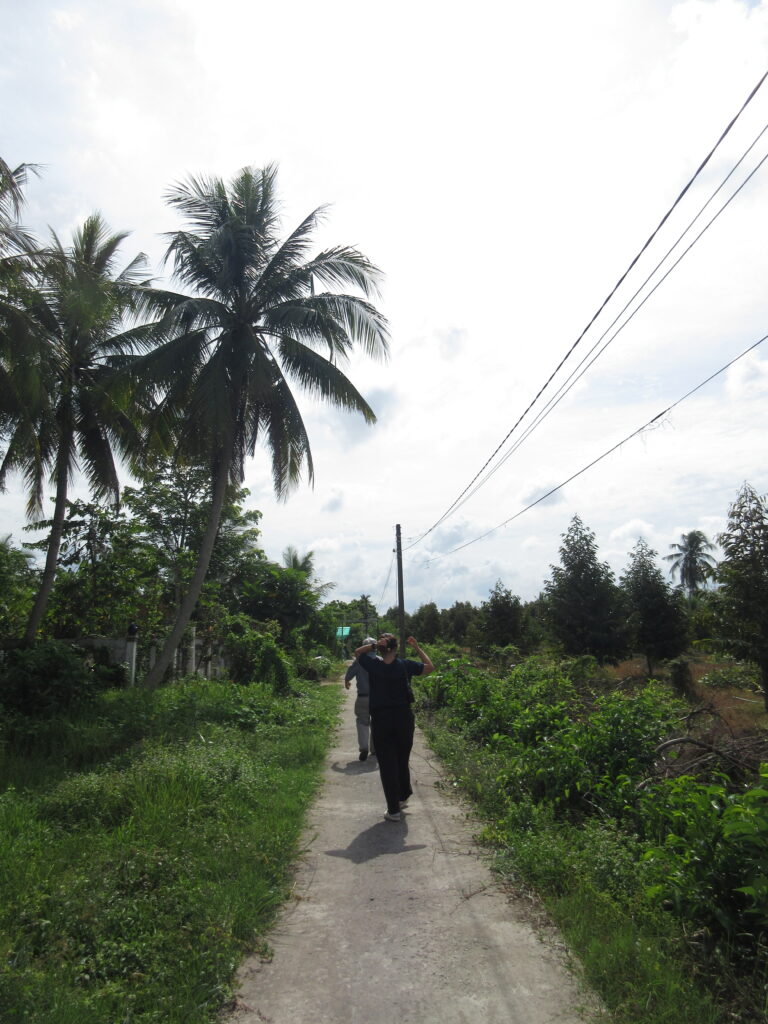
My dad brought a bag with him full of joss paper that he prepared the night before. When we got close to my grandpa’s grave, he asked us to stop at a market to buy yellow chrysanthemums.
The Tale of the Magic Flower
The most famous legend surrounding the chrysanthemum tells the story of a devoted daughter and a magical, golden flower. According to the tale, her mother fell gravely ill, and in a desperate bid to save her mother’s life, the girl sought the help of the gods. She was gifted a magical flower and told that every petal she pulled from the blossom would grant her mother an additional year of life. Out of deep love, the girl carefully tore the petals into tiny strands. Because each strand symbolized another year, the flower blossomed with hundreds of petals. Since that day, chrysanthemums have been heavily petaled, and the story of the flower has stood as the ultimate symbol of love, health, and a long life.
Because of its meaning, yellow chrysanthemums are the most common flower placed on ancestor altars during death anniversaries. They last a long time, and people believe they show the strong connection between the living and the ancestors.
Joss Paper and Offerings
At my grandpa’s grave we placed many things: a joss paper vest and paper money, a can of beer because it was his favorite, yellow chrysanthemums, and fruits like dragon fruit, mango, and oranges. Each item showed love and respect.
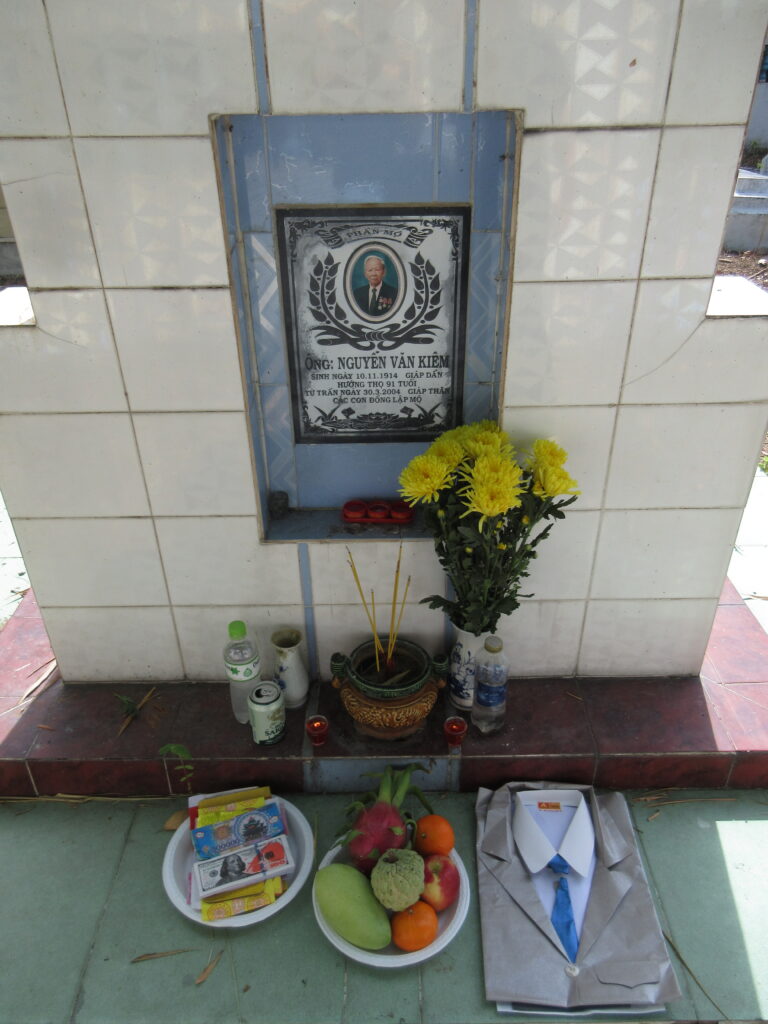
In Vietnam, people believe in the afterlife. The offerings are gifts sent to loved ones who have passed away. Burning paper clothes, money, or even things like houses and cars is a way to take care of them. It shows the spiritual connection between the living and the dead.
Central Vietnam is one of the hottest regions in the country. The heat was brutal, reaching 40 degrees Celsius. As we stood at the grave burning paper offerings, sweat dripped down like we had just showered. My dad reminded us that we had to burn everything completely. If not, the ancestors would not receive it on the other side, and they would feel sad because we hadn’t sent the gifts properly.
As the paper burned, I saw a paper Rolex. I remembered when I was a kid, sometimes people burned funny things made of paper. I saw a whole 3-storey house, a Mercedes Benz, and even the newest iPhones. These memories came back to me as I watched the smoke rise.
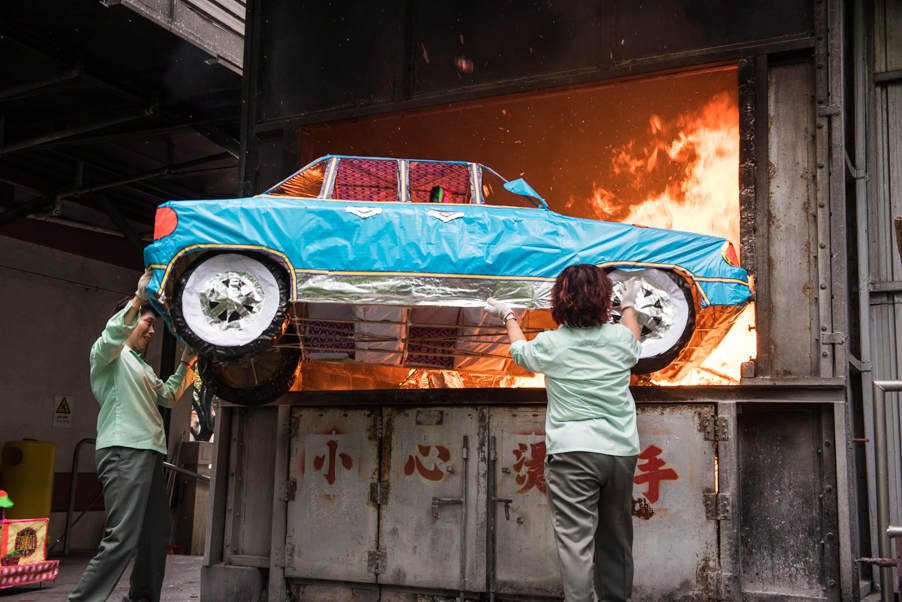
By Laurel Chor, Coconuts Hong Kong (Sep 2, 2015)

I began to see that the death anniversary is not only about sadness. It can be a happy day. It is a day of remembrance, of hope, and of taking care of loved ones even after they are gone.
Post-Ceremony
After the ceremony we gathered for food and spent time together. There was a cute puppy running around, and I watched the chickens nearby. My uncles and dad drank and talked about memories of my grandpa and other stories from the past.
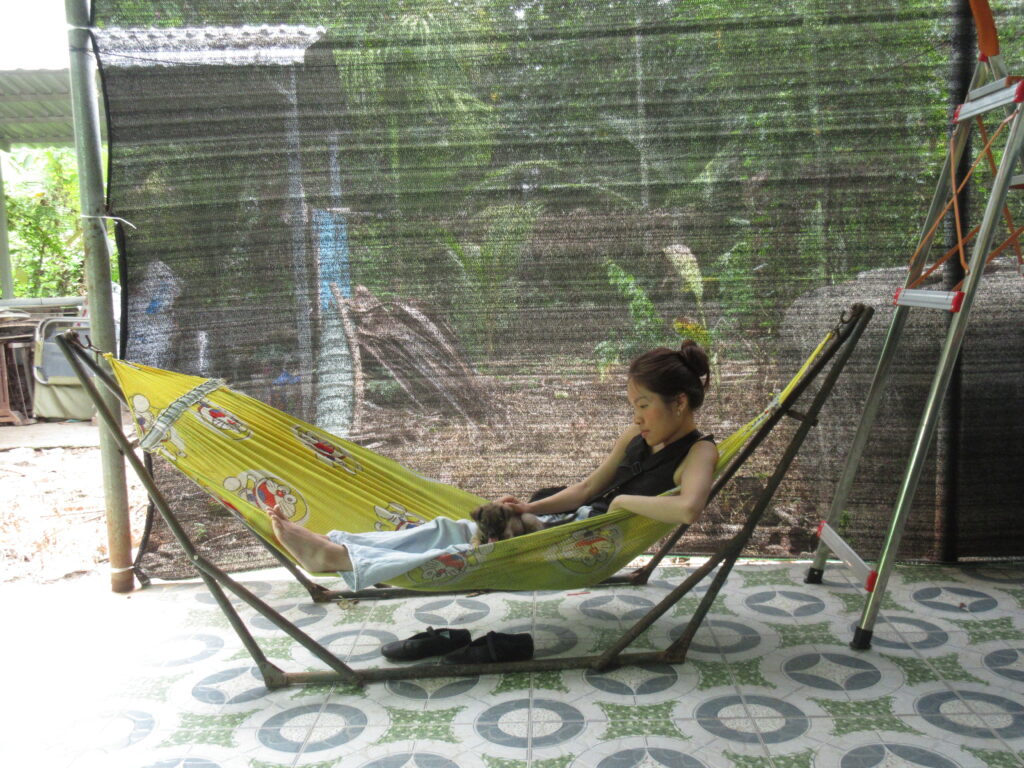
I was laying on the old hammock, petting the puppy, and watching the chickens. It was a peaceful moment. Even in the harsh heat and the run‑down homes, I felt a deeper joy and peace than I ever would at a fancy vacation. Not to say I don’t enjoy those things; however, the simplicity, the hammocks strung across the yard, and the rhythm of family life made the experience more genuine and comforting than luxury could ever offer.
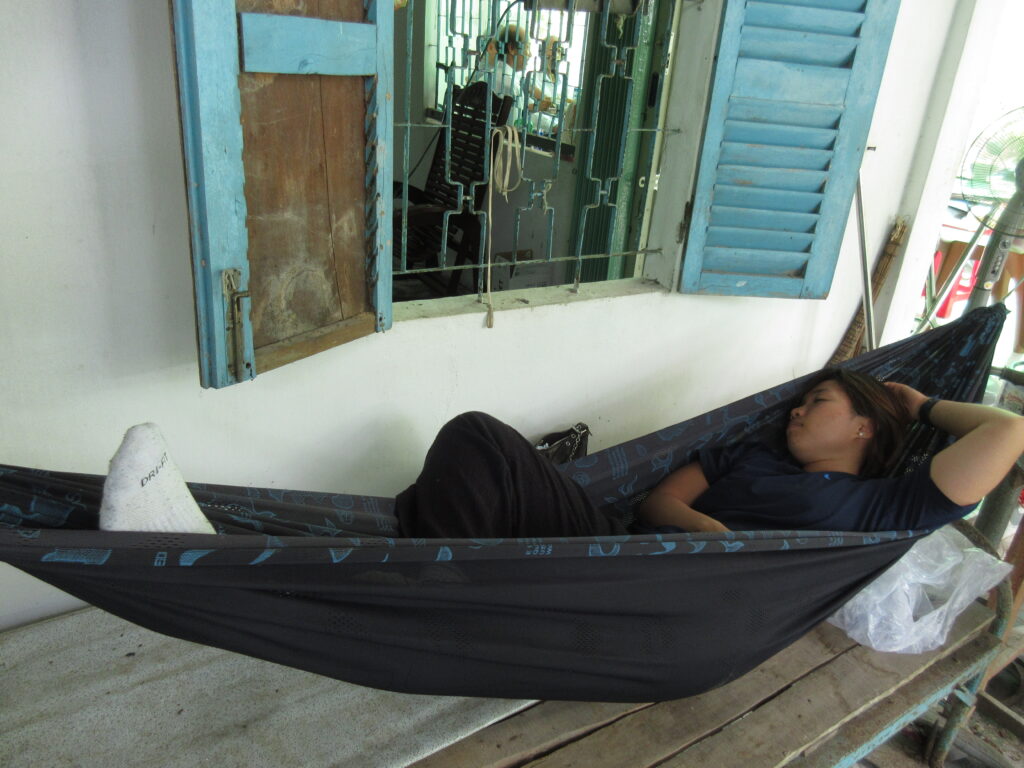
This is my twin taking a nap after the long drive. With the intense heat reaching its most aggressiveness around noon, naps are embedded in Vietnamese culture. Whether at work, school, or home, people rest around noon. If you visit relatives or distant family at that time, it is expected that they will nap. Most Vietnamese are hospitable and so most homes have multiple hammocks around the house and in the yard.
My grandpa passed away long before I was born, but standing at his grave showed me something important. People still gather. They still remember him. Even though I never met him, I felt the connection. The belief in the afterlife, the burning of paper gifts, and the gathering of family all show that care continues after death. It is a way of saying that loved ones are never forgotten.
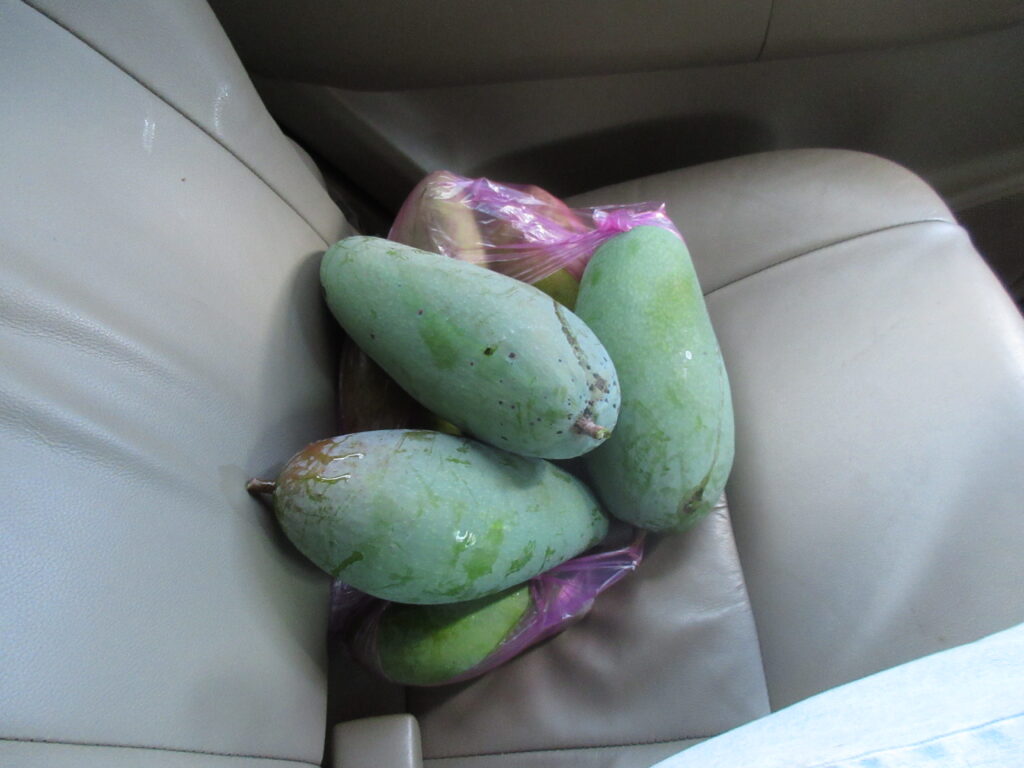
Most importantly, these days bring distant relatives together. It was not awkward like I feared. Everyone laughed, talked, and enjoyed being together. As I was about to leave, my uncles and aunts stopped me to pick fresh mangoes from the tree. They worried it was not a good enough gift, just fruit. But for me, someone who is not often around fresh picked fruit, it was wonderful. Their kindness and thought were what mattered most. It was truly heartwarming.
Mayer’s Principles of Multimedia Learning
- Coherence Principle – I kept the language simple and removed jargon, focusing only on meaningful details.
- Signaling Principle – I used clear headings (Road Trip, Yellow Chrysanthemums, Joss Paper and Offerings, Post-Ceremony) to guide the reader through the narrative.
- Contiguity Principle – I placed photos and videos close to the text sections they illustrate (e.g., photo of offerings next to the description of offerings).
- Modality Principle – I added photos and videos with background sounds of my family’s laughter, along with text so viewers can read the story while seeing the visuals. This strengthens emotional connection. I chose not to include audio narration. I feel this story is best told through writing, because the emotions and cultural explanations come across more clearly in text. While audio could add another layer, I believe separating visuals and written reflections preserves the intimacy of the story.
Peer Feedback Integration
Cydney Rogers wrote:
“Winter, for your draft, I think it is a strong and meaningful story idea because it combines a personal experience with an important family tradition. The introduction, middle, and end provide a clear narrative structure that will help guide viewers through the experience. You could also include brief descriptions for important photos to provide additional context. I also think the connection to Mayer’s principles is well thought out. To strengthen the Modality Principle, you could consider using audio narration instead of relying primarily on written text. Hearing your reflections while viewers watch the videos and photos may create a stronger emotional connection to the story. Finally, since the event is culturally significant, it may be helpful to include a brief explanation of the meaning behind some of the offerings and rituals. This would help viewers who are unfamiliar with Vietnamese traditions better understand the importance of the ceremony and the story you are telling.”
How I used this feedback:
- I added brief photo descriptions (e.g., “Photo of driving on the trip,” “Photo of hammock with puppy,” “Photo of mangoes picked from the tree”) so viewers understand the context.
- I strengthened the Modality Principle by planning to record audio narration of my reflections, not just text.
- I expanded the cultural explanation of offerings and rituals, especially the meaning of yellow chrysanthemums and joss paper, so readers unfamiliar with Vietnamese traditions can understand their importance.
Process Narration
- Decisions made: I chose to structure the story in four parts (Road Trip, Yellow Chrysanthemums, Joss Paper and Offerings, Final) to balance personal narrative with cultural explanation.
- Challenges faced: At first, I worried the ceremony would feel too formal and intimidating. Writing about it, I struggled to balance cultural detail with personal memory. I overcame this by weaving in my own experiences (like the hammock, puppy, and mangoes) alongside explanations of traditions.
- Media choices: I integrated text, photos, video, and audio. Photos show the drive, offerings, and mangoes. Video captures mopeds and incense smoke. Audio captures family laughter and will include narration. These formats align with Mayer’s principles to make the story engaging and clear.
- Outcome: The final draft shows that a death anniversary is not only about mourning but also about joy, remembrance, and family connection.